Why Invest in a 3D Printer: Benefits, Applications, and Tips for Beginners
As the world evolves into a more digital and automated era, the significance of 3D printers in various industries cannot be overstated. Experts underscore the transformative potential of 3D printing technology, which enables the creation of intricate designs with remarkable precision. John McNulty, a renowned expert in additive manufacturing, aptly states, "Investing in a 3D printer is not merely a purchase; it's an entry into the future of manufacturing." This insight encapsulates the value that 3D printers bring to businesses and individuals alike.
The benefits of investing in a 3D printer extend beyond mere convenience. They include cost efficiency, customization of products, and the ability to prototype rapidly, which can significantly enhance innovation. Moreover, the applications span across multiple sectors ranging from healthcare to education, where 3D printing is revolutionizing traditional practices and fostering creativity. For beginners, understanding the essential tips and considerations is crucial for making the most out of their investment. This article aims to explore the myriad advantages of 3D printing, practical applications, and provide useful insights to those just starting their journey into this groundbreaking technology.
Benefits of Investing in a 3D Printer for Personal and Professional Use
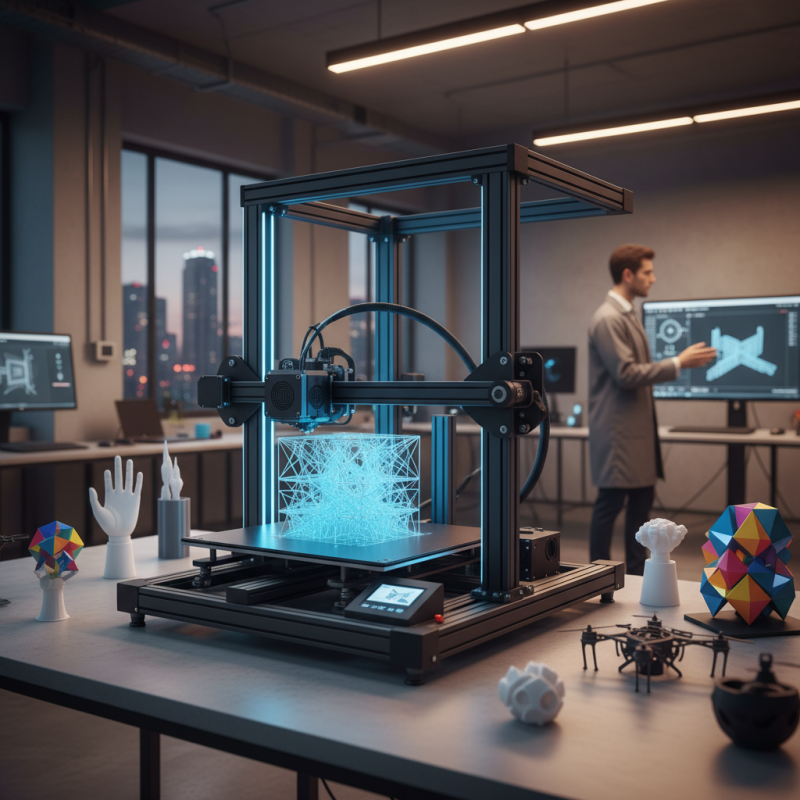
Investing in a 3D printer opens up a world of possibilities for both personal and professional use. One of the most significant benefits is the ability to create customized objects tailored to specific needs. For hobbyists and DIY enthusiasts, 3D printing allows for the production of unique items, from custom home decor to personalized gifts, enhancing creativity and innovation. The capacity to experiment with different designs without the constraints of traditional manufacturing can lead to new ideas and projects, fostering a hands-on approach to creativity.
In a professional context, 3D printing can greatly improve efficiency and reduce costs. Businesses can create prototypes quickly, allowing for rapid iteration and testing of designs. This capability is invaluable in sectors such as engineering, architecture, and even healthcare, where rapid prototyping can lead to enhanced product development. Additionally, small businesses can benefit from producing low-volume items on-demand, minimizing inventory costs and reducing waste. The versatility of 3D printing makes it an attractive investment for anyone looking to streamline operations or expand product offerings.
Benefits of Investing in a 3D Printer
Diverse Applications of 3D Printing Across Various Industries
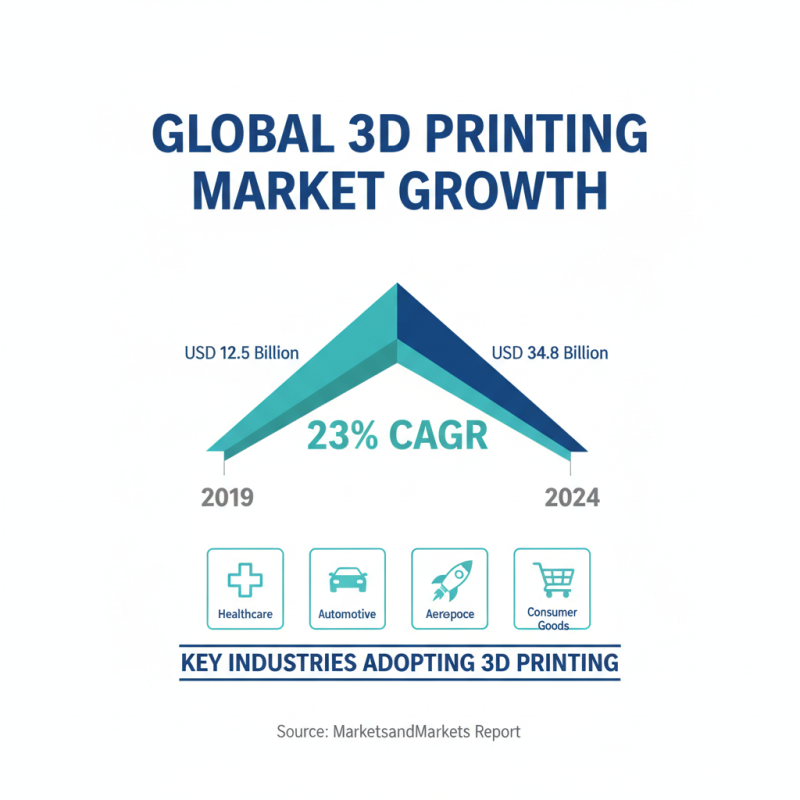
3D printing technology has emerged as a transformative force across various industries, offering diverse applications that enhance productivity and innovation. According to a report by MarketsandMarkets, the global 3D printing market is expected to reach USD 34.8 billion by 2024, growing at a CAGR of 23% from 2019. This rapid expansion signifies the increasing reliance on 3D printing in sectors such as healthcare, automotive, aerospace, and consumer goods.
In healthcare, 3D printing is revolutionizing the production of custom prosthetics, dental implants, and even bioprinting of tissues, allowing for personalized patient care. The automotive industry utilizes 3D printing for prototyping and manufacturing parts with complex geometries, which reduces waste and shortens lead times significantly. Furthermore, the aerospace sector benefits from lightweight components produced via 3D printing, contributing to fuel efficiency and cost savings in production processes.
For beginners interested in delving into 3D printing, it is essential to start with the right approach. Begin by familiarizing yourself with different materials used in 3D printing, such as PLA, ABS, and nylon, as they offer unique properties suited for various projects. Additionally, utilize online communities and resources to learn from experienced practitioners, which can help you overcome initial challenges. Emphasizing hands-on practice will greatly enhance your understanding and skill set in this innovative technology.
Essential Features to Look for When Choosing a 3D Printer
When selecting a 3D printer, several essential features can significantly enhance your printing experience. First and foremost, consider the type of printing technology the machine uses.
Fused Deposition Modeling (FDM) is popular for its accessibility and affordability, making it ideal for beginners. Alternatively, Stereolithography (SLA) provides higher precision and is suited for detailed models, though it may come with a higher price tag. Understanding these differences helps you choose a printer that aligns with your project needs.
Another crucial aspect is the build volume. A larger build area allows for the creation of bigger objects or the printing of multiple smaller models simultaneously, enhancing productivity. Additionally, examine the printer's ease of use; features such as a user-friendly interface, easy assembly, and support for various filament types can greatly benefit new users. Finally, look for a printer with a good community or customer support, as this can provide valuable resources and troubleshooting assistance as you navigate the learning curve of 3D printing.
Tips for Beginners: Getting Started with 3D Printing Projects
Starting with 3D printing can be an exciting journey, and getting the right foundation is crucial for beginners. First, it’s essential to familiarize yourself with the different types of 3D printers available and their respective technologies, such as FDM (Fused Deposition Modeling) and SLA (Stereolithography). Each type suits various projects, so choose one that aligns with your interests—whether that’s prototyping, crafting, or creating functional parts. Moreover, understanding the software used for modeling and slicing is vital. Free applications like Tinkercad or Blender can help you create or modify models easily.
Once you have your printer set up and software selected, start with simple projects to build your confidence. Look for pre-designed models online that you can print right away, which will give you insight into the printing process, including settings adjustments and troubleshooting common issues. This hands-on experience is invaluable. Don’t hesitate to join online communities or local maker spaces where you can share knowledge, ask questions, and find inspiration from fellow enthusiasts. Engaging with others will enhance your learning experience and may introduce you to innovative techniques and tips that can elevate your projects.
Why Invest in a 3D Printer: Benefits, Applications, and Tips for Beginners
| Aspect |
Details |
| Cost Savings |
Reduces prototyping costs and allows for on-demand production. |
| Customization |
Enables the creation of personalized products and custom designs. |
| Rapid Prototyping |
Speeds up the product development process significantly. |
| Accessibility |
Now affordable for small businesses and hobbyists. |
| Versatility |
Suitable for various materials and industries, including medical, automotive, and art. |
| Learning Curve |
Beginner-friendly with plenty of resources and communities available. |
| Maintenance |
Regular upkeep needed for optimal performance and print quality. |
Common Mistakes to Avoid When Using a 3D Printer for the First Time
When venturing into the world of 3D printing for the first time, beginners often encounter a variety of challenges that can hinder their experience and results. One of the most common mistakes is neglecting the importance of proper calibration. Ensuring that the printer is accurately calibrated can prevent issues such as warped prints or improper layer adhesion. New users should take the time to familiarize themselves with the calibration process, including setting the correct nozzle height and adjusting temperature settings according to the materials being used.
Another frequent error is choosing inappropriate materials for initial projects. Beginners may be tempted to use complex filaments or exotic materials without having a good grasp of the printing process. It's advisable to start with more forgiving materials, like PLA, which are easier to work with and have fewer variables. Additionally, skipping the step of thoroughly reviewing print settings can lead to suboptimal results. Users should pay close attention to layer height, print speed, and infill density, adjusting these parameters based on the specific project requirements. By avoiding these common pitfalls, newcomers can significantly enhance their 3D printing experience and achieve better results.