
How to Choose 8K Stainless Steel Plate?
An 8k Stainless Steel Plate can bring a striking, mirror-like finish to a kitchen, elevator, or architectural wall. But appearance alone does not make it the right choice. Buyers should check the steel grade, plate thickness, surface consistency, protective film, and intended environment. A flawless sample under showroom lights may reveal scratches beside a bright window.
For clarity, the following is an illustrative expert voice, not a quotation from a verified industry source: stainless-steel materials specialist Maya Chen says, “Choose the grade and finish for the conditions the plate will face—not just the look you want on delivery day.” That distinction matters. Moisture, cleaning routines, handling, and installation can all affect how the surface looks over time.
This guide explains how to compare finishes, confirm product details, and ask suppliers useful questions. It also points out where buyers can misjudge a plate from photographs alone. Small details matter. Inspect the edges. Check the film. Ask how the finish is measured and protected during transport. Some specifications still need a closer look; a bright surface does not prove the whole plate is suitable. By weighing appearance against practical requirements, you can choose an 8k Stainless Steel Plate with clearer expectations and fewer costly surprises.
What Defines an 8K Stainless Steel Plate?
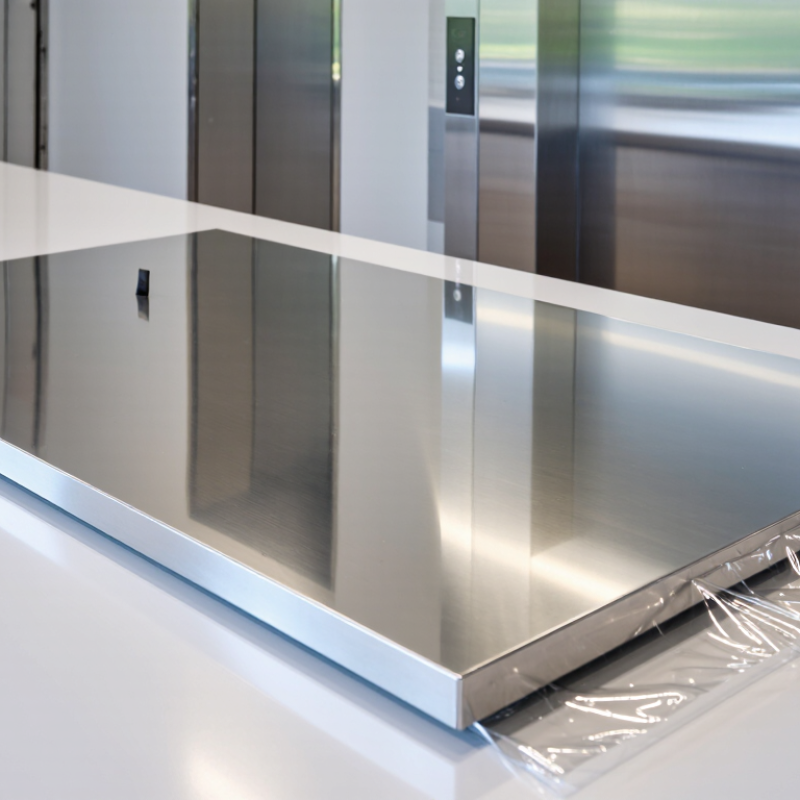
An 8K stainless steel plate usually has a highly reflective, mirror-like surface. However, “8K” is a commercial term, not a universally consistent finish grade. ASTM A480/A480M describes a No. 8 finish as a polished reflective finish.
Ask suppliers to identify the standard they use and provide a physical sample. The distinction matters.
The finish is created through successive polishing and buffing stages. Under both diffuse lighting and a focused lamp, check for haze, fine scratches, pinholes, and waviness. Check closely. A mirror appearance alone does not confirm surface quality.
Request roughness measurements where relevant, but do not assume one Ra value defines every 8K finish; processes and measurement methods can differ. Also inspect the protective film for trapped dust that could mark the surface during handling.
World Stainless’s Stainless Steel in Figures 2024 reports global stainless steel melt-shop production of 58.4 million tonnes in 2023. That figure describes industry scale, not mirror-finish quality.
Specify grade, thickness, finish reference, and inspection conditions separately so the plate’s appearance can be assessed against clear criteria.
One limitation remains: supplier use of “8K” may vary.
How to Match the Steel Grade to Its Intended Use
An 8K finish describes a highly polished surface, not the steel grade beneath it. Choose the grade for the working environment, then confirm that the finish can be produced and maintained on that material. A bright showroom sample can be misleading. Look at the plate’s intended location, cleaning routine, and exposure to moisture or chemicals.
Grade 304 is commonly used for indoor panels, food-service surfaces, and decorative features in relatively mild conditions. For coastal areas or frequent contact with chloride-containing cleaners, 316L is often a more suitable option because it generally resists pitting better. It is not immune to corrosion, though. Rinse and dry the surface where salt or residue can collect. Grade 430 may suit dry indoor applications where cost and magnetic response matter, but it is less appropriate for persistently damp or salty settings.
Fabrication also affects the choice. Deep forming, welding, and later polishing can change the surface appearance, so ask the supplier to confirm the grade, finish, and available plate thickness together. Check a sample after cleaning, not only under showroom lights. I would not choose from a photo alone. Even the right grade can disappoint if fingerprints, scratches, or harsh cleaners are ignored.
How to Select Plate Thickness and Dimensions
For an 8K stainless steel plate, select thickness by considering how it will be supported and used. A decorative wall panel may need less thickness than a countertop exposed to impacts or a large panel with few supports. The mirror-like 8K finish does not make the steel stronger. Specify thickness in millimeters rather than relying on gauge numbers, which can vary between suppliers. A useful estimate is about 7.9 kilograms per square meter for each millimeter of thickness. Check the finished weight against the structure and installation method.
Dimensions matter just as much. Measure the usable area, then allow for trimming, seams, edge returns, and cutouts. A 1,220 by 2,440 millimeter sheet is a common reference size, but availability varies. Confirm the actual sheet size before designing around it. Long, thin plates can flex during handling, and oversized pieces may be difficult to transport through doorways. That detail is easy to miss. Ask how the plate will be packed and moved, not only how it will be cut.
For reflective surfaces, flatness and careful handling affect the result. Small bends or scratches can stand out under bright lighting. Request the supplier’s thickness tolerance, surface protection method, and available cutting tolerances. If the plate will be formed, confirm that the chosen thickness and bend radius suit the fabrication process. A calculation is only a starting point; real support spacing and installation conditions can change the choice. I would check those details before fixing the final dimensions.
How to Evaluate 8K Surface Quality and Protective Packaging
An 8K stainless steel plate should show a clear, even reflection, but brightness alone does not prove good quality. Inspect it under broad, neutral light, then tilt it gently to reveal waviness, drag marks, and cloudy patches. Look closely. Fine scratches can disappear under one light and become obvious under another. Check several areas, including the center and edges, rather than judging from a small sample. Compare plates under the same conditions; reflections can make minor differences look larger than they are.
Protective packaging matters because a mirror-like surface records careless handling. Check that the film is clean, firmly attached, and free of trapped grit or bubbles that could press against the finish. Ask how plates are separated: clean interleaving sheets and protected edges help prevent metal-to-metal contact during movement. Keep the material dry and avoid dragging one plate across another. Small flaws matter.
Packaging is not a guarantee. Film can conceal marks, and a plate may be scratched after inspection. Request clear photos before dispatch, including close views of the surface and corners, and agree on how visible defects will be assessed. A perfect-looking reflection is difficult to maintain in real handling; that part is easy to underestimate.
How to Verify Specifications and Choose a Supplier
An 8K stainless steel plate can look mirror-like under showroom lights, yet appearance alone says little about consistency. Ask the supplier to define the finish in writing, including the polishing process, protective film, and acceptable surface defects. “8K” is not always measured or described identically across suppliers. Request a physical sample and inspect it under the lighting used at your project site. Check the edges.
Confirm the steel grade, thickness, sheet dimensions, and tolerance requirements before comparing quotations. A difference of a few tenths of a millimeter may matter for fitted panels. Ask for a material test certificate linked to the heat or batch number, then check that the certificate matches the delivered plate. If flatness or surface roughness is critical, specify how it will be measured and what limits are acceptable. Vague wording invites disagreement.
Supplier selection takes more than a low price. Ask how plates are separated, filmed, and packed to prevent scratches during transport. Request photos of the actual batch, not only polished sample images, and clarify how damaged or inconsistent sheets are handled. A small trial order can reveal packaging and finish issues, though it cannot guarantee every later batch will match. I would also compare written responses: precise answers are reassuring; silence on tolerances deserves a second look.
How to Choose 8K Stainless Steel Plate? Verify Specifications Before You Buy
Example incoming-inspection readings for a plate ordered at 3.00 mm, with a buyer-defined acceptance range of 2.90–3.10 mm. These values illustrate how to compare measured thickness with the agreed purchase specification; tolerances vary by product standard and order. Also confirm the stainless steel grade, 8K finish sample, inspection method, and material test certificate with the supplier.