Why Choose a High Temperature 3D Printer for Your Projects?
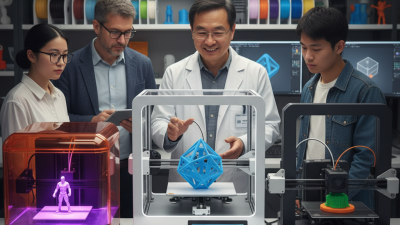
When considering the realm of 3D printing, the choice of a high temperature 3D printer can significantly impact project outcomes. As noted by Dr. Emily Carter, a leading expert in additive manufacturing, “High temperature 3D printers unlock new materials, allowing for advanced design possibilities.” This insight highlights the advantages that come with these specialized machines.
High temperature 3D printers are designed to process materials like PEEK and ULTEM. These materials offer exceptional strength and thermal resistance. However, using such printers also presents challenges. The costs can be high, and the learning curve steep. Is the investment worth it?
This technology is not just for large corporations anymore. Many small businesses and hobbyists are exploring its potential. It encourages innovation but requires careful consideration. What limitations might users encounter? Understanding these factors is essential for making informed decisions.
Benefits of High Temperature 3D Printing for Advanced Materials
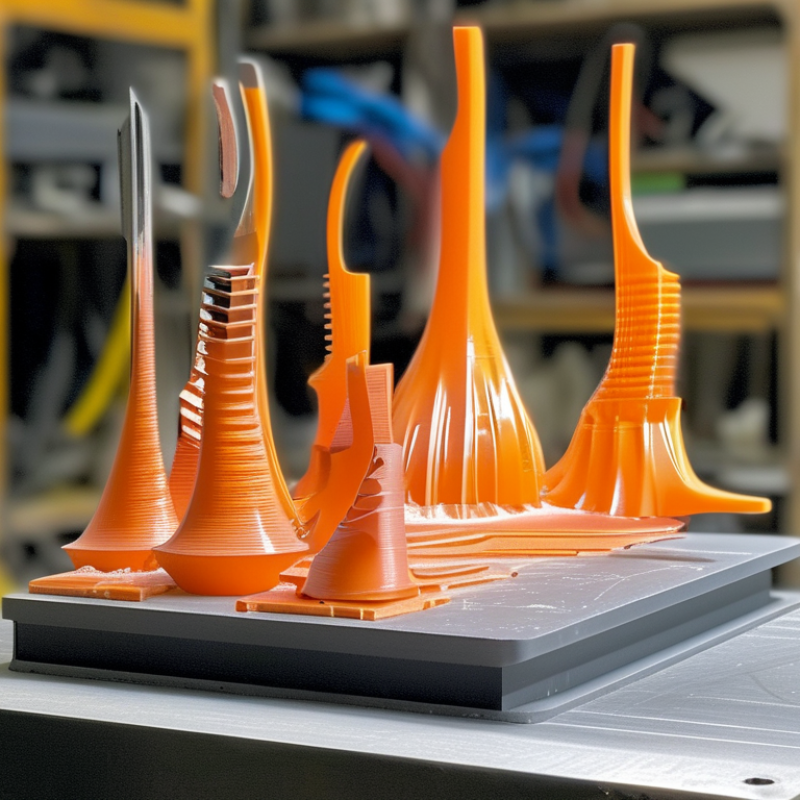
High-temperature 3D printing has become a game-changer for various industries. This technology allows the use of advanced materials like PEEK and ULTEM, which have excellent thermal resistance and mechanical properties. According to a report by SmarTech Analysis, the high-performance thermoplastics market is projected to reach $4 billion by 2025. This growth highlights the rising demand for parts that can withstand extreme conditions.
The ability to print with materials engineered for high-temperature applications opens new avenues. Parts can withstand continuous exposure to temperatures above 200°C. For instance, aerospace components require such capabilities to endure harsh operating environments. A study from the American Society for Testing and Materials indicates that high-performance thermoplastics exhibit not only superior thermal stability but also significant weight reduction when compared to metals. This aligns perfectly with the industry's push for light but strong materials.
However, challenges remain in processing these materials. High-temperature 3D printing demands precise temperature control and may lead to warping or delamination. Achieving consistent results requires expertise and proper calibration. As the industry innovates, addressing these complexities will be crucial for maximizing the potential of high-temperature materials in 3D printing applications.
Applications of High Temperature 3D Printers in Various Industries
High temperature 3D printers play a critical role in various industries. They are capable of processing advanced materials like nylon, polycarbonate, and even metal composites. This allows for the production of functional parts that withstand high stress and temperature conditions. For the aerospace sector, these printers are invaluable for creating lightweight components that need to endure extreme environments. Their ability to produce intricate designs reduces the need for fasteners or additional assembly, leading to significant time savings.
In the automotive industry, high temperature 3D printers facilitate rapid prototyping. Engineers use them to create custom parts that must endure high heat and pressure. This technology helps reduce material waste, as parts can be printed exactly to specification. However, one challenge is the knowledge required to effectively use these printers. Many users still struggle with settings and material choices. Experimentation is essential.
For medical applications, these printers allow for the creation of durable prosthetics and implants tailored to individual patients. Adventure lies in refining these processes. Exploring different materials and printing techniques can enhance outcomes. Understanding how to best leverage high temperature capabilities remains an ongoing journey for many professionals.
Key Features to Consider When Choosing a High Temperature 3D Printer
When selecting a high temperature 3D printer, several key features should be your primary focus. One important characteristic is the printer's maximum temperature capability. Models that reach temperatures above 300°C are essential for processing high-performance materials like PEEK or Ultem. According to a recent industry report, the demand for high-performance polymers in 3D printing is projected to grow by over 25% annually, underscoring the need for printers that can handle such extremes.
Another critical factor is the print bed material. A robust print bed can withstand high temperatures and reduce warping. Materials such as aluminum or glass with specialized coatings are favorable. Additionally, closed-loop thermal management systems provide consistent heat distribution. Reports highlight that using proper thermal management can increase print quality by up to 30%, emphasizing its significance in achieving reliable results.
User feedback on high temperature 3D printers indicates that ease of use is often overlooked. Many models require complex setups and rigorous calibration processes. This can be daunting for newcomers to the field. While high temperature capabilities are crucial, the user experience should not be ignored, as a more intuitive interface can lead to better project outcomes. Balancing performance with usability is essential, ensuring your investment delivers optimal results.
Why Choose a High Temperature 3D Printer for Your Projects? - Key Features to Consider When Choosing a High Temperature 3D Printer
| Feature |
Description |
Importance |
| Maximum Temperature |
The highest temperature the printer can achieve, allowing for the use of high-performance materials like PEEK and Ultem. |
Essential for projects requiring advanced material properties and durability. |
| Heated Bed |
A heated build platform that prevents warping and improves adhesion for high-temperature filaments. |
Crucial for successful printing of high-temperature materials. |
| Extruder Type |
The type of extruder, such as all-metal hotends, suitable for high-temperature filaments. |
Needed for effective material extrusion without clogging. |
| Build Volume |
The maximum dimensions of the part that can be printed. |
Important for accommodating different project sizes. |
| Filament Compatibility |
Types of materials supported by the printer, ranging from ABS to advanced polymers. |
Directly impacts the versatility and application scope of the printer. |
| Temperature Control |
Precision in maintaining the desired temperature throughout the print process. |
Influences print quality and material properties. |
Comparative Analysis: High Temperature vs. Standard 3D Printers
When choosing between high temperature 3D printers and standard models, the materials used can make a significant difference. High temperature printers can handle advanced thermoplastics like PEEK and ULTEM. In contrast, standard printers are often limited to PLA and ABS. A 2021 industry report revealed that 35% of engineers preferred high temperature printers for creating parts needing high heat resistance.
High temperature printers are more capable in producing functional prototypes. They withstand extreme environments better than their standard counterparts. According to a study published by the Additive Manufacturing Association, high temperature materials have excellent mechanical properties, with some exhibiting heat resistance beyond 150°C. This is crucial for aerospace and automotive applications.
However, the complexity of high temperature printing can be intimidating. It involves more intricate settings and potential for warping. Users may experience a learning curve that is less pronounced in standard 3D printing. It's essential to weigh these factors against project requirements to determine the best fit for your needs.
High Temperature vs. Standard 3D Printers: Material Performance Comparison
Cost Implications and Long-term Investment in High Temperature 3D Printing
When considering high-temperature 3D printers, the cost implications are significant. These printers often have a higher upfront cost compared to standard models. However, the materials they can utilize, like PEEK or Ultem, can lead to considerable savings in the long run. Such materials are robust and can withstand extreme conditions, diminishing the need for frequent replacements.
Long-term investment in high-temperature 3D printing is vital. These printers can create parts for industries such as aerospace or automotive. They offer durability and reliability that standard printers cannot match. This investment means fewer failures and lower maintenance costs over time. Businesses often find that the initial expenditure is offset by reduced operational costs and increased product lifespans.
However, the learning curve can be steep. Users may face challenges when transitioning to high-temperature materials. Proper training and resources are essential to maximize the potential of these printers. Businesses need to weigh the advantages against these hurdles before making a decision. A thoughtful approach ensures better long-term returns from the investment in high-temperature 3D printing technology.