
What Is a French Style Wall Light?
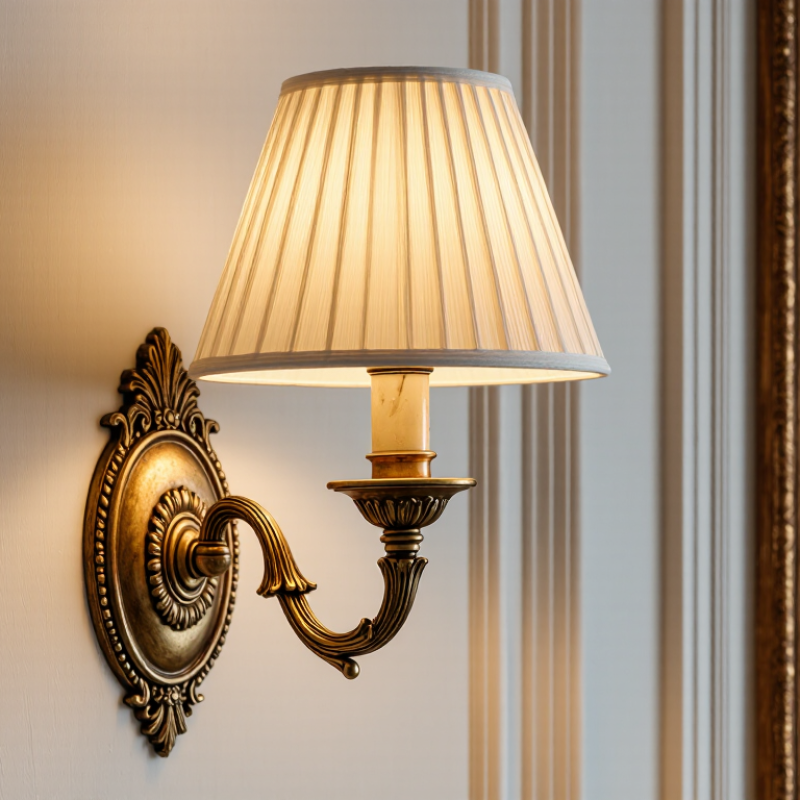
A French Style Wall Light is more than a fixture with a curved arm or gilded finish. It describes a family of wall-mounted lights shaped by French decorative traditions, from restrained neoclassical forms to ornate, candle-inspired sconces. Common details include brass or bronze finishes, sculpted metalwork, pleated shades, and softly aged surfaces. Yet the label is broad, and sellers may use it loosely. The silhouette, materials, and light quality matter more than the name alone.
Scale changes the effect. A slim sconce beside a framed mirror can feel quiet and balanced; an oversized pair may dominate a narrow hallway. Before choosing one, check the backplate size, projection from the wall, bulb type, and whether the light points upward or downward. These details affect both appearance and everyday comfort. A beautiful fixture can still cast harsh shadows. That matters. And it is easy to overlook.
Energy use deserves attention, too. The U.S. Department of Energy’s Energy Saver guidance reports that LEDs use at least 75% less energy and last up to 25 times longer than incandescent lighting. The International Energy Agency’s Energy Efficiency 2023 report considers efficient lighting within the wider effort to reduce energy demand. These findings describe lighting broadly, not French-style sconces specifically. No style guarantees good performance. This guide explains what defines a French Style Wall Light, how to assess its materials and proportions, and where the style works best. Some choices remain subjective. Not quite a science. That is part of the point.
What Defines a French Style Wall Light?
A French style wall light is defined by more than an ornate shape. It often combines graceful proportions, traditional detailing, and materials that feel warm rather than stark. Look for curved arms, gently shaped backplates, decorative joints, or shades made from glass or fabric. Aged brass, bronze, and painted finishes are common choices, though no single finish is essential. The overall effect should feel balanced and considered. It need not look like an antique. Some contemporary fixtures borrow just one classic detail, such as a curled arm, and still suit the style. The distinction can be subtle.
Tips: Check the fixture’s scale against nearby furniture. A small sconce beside a tall mirror may look lost, while an oversized one can crowd a narrow hallway. Choose a shade that directs light where you need it, and consider how the finish looks in daylight. Details matter. I’d also pause before choosing the most elaborate design; sometimes it feels a little too formal for a relaxed room.
Historical Influences Behind French Wall Lighting
What Is a French Style Wall Light?
Historical Influences Behind French Wall Lighting
French wall lighting reflects changing ideas about comfort, status, and craft. Before electricity, wall sconces held candles or oil lamps, bringing light close to mirrors, paintings, and dining tables. Their placement mattered: a pair beside a doorway could frame an entrance, while candlelight softened a room’s stone and plaster surfaces.
Court styles shaped the details. Under Louis XIV, designs often favored symmetry, carved ornament, and gilded bronze. Louis XV interiors introduced more fluid curves and shell-like motifs; later neoclassical designs returned to cleaner lines and balanced forms. These styles were not fixed rules. Regional workshops and later restorations blurred the boundaries, so a “French” fixture may combine influences from different periods. That history is a little untidy.
Tips: Look for a shape that suits the room, not just an era. A curved arm and aged brass finish can suggest traditional French character without reproducing a museum piece. For modern use, choose a suitable LED bulb: the U.S. Department of Energy reports that LEDs use at least 75% less energy and last up to 25 times longer than incandescent lighting.
Common Shapes, Materials, and Decorative Details
A French-style wall light is less a fixed design than a family of forms shaped by classical rooms and everyday use. Many have a slender metal arm that curves outward from the wall, ending in a candle-shaped bulb or a small shade. Scrolls and gentle bends soften the silhouette. Some fixtures look formal; others feel pleasantly modest.
Common shades include fabric drum shapes, pleated linen, and shallow glass bells. A tapered shade directs light downward, while a pale, open shade spreads a softer glow across a hallway. Brass and bronze are frequent choices, often with brushed, aged, or lightly polished finishes. Iron can bring a darker, more rustic note. Porcelain details, carved wood, and small crystal drops appear on more decorative pieces. The mix is not always perfectly balanced, and that can be part of its charm.
Look closely at the backplate, arm, and shade together. A large, ornate backplate may suit a high-ceilinged room, but it can crowd a narrow passage. Small floral motifs or leaf-shaped castings add detail without demanding attention. Finish matters in changing light: warm brass can look honey-colored at night, then brighter beside a window. Patina also varies, so two similar fixtures may not match exactly. That slight difference is worth considering.
Types of French Style Wall Lights
French-style wall lights range from formal candle sconces to relaxed, fabric-shaded designs. A classic candle-arm sconce has curved metal arms, small candle-shaped bulbs, and often a brass or aged-gold finish. It suits a hallway or dining room, where its silhouette can echo a chandelier. Keep projections in mind. In a narrow passage, a wide arm can catch shoulders or bags. Small rooms benefit.
Lantern sconces borrow details from French outdoor fixtures, including glass panes, dark metal frames, and gentle curves. They add structure beside a doorway or mirror. For a softer look, choose a pleated or tapered shade on a slim metal arm; this works well beside a bed or reading chair. Louis XVI-inspired versions may feature fluted stems, ribbon motifs, or delicate leaf details. They can feel ornate, and dust gathers in those little grooves. A plain shade may be the wiser choice.
Match the light source to the task, not just the finish. The U.S. Department of Energy’s LED Lighting guidance reports that LEDs use at least 75% less energy and last up to 25 times longer than incandescent bulbs. These figures apply to lighting generally, not specifically to French-style sconces. Check the fixture’s recommended bulb and shade clearance. A warm, dimmable LED can soften a crisp plaster wall without making a small room feel like a showroom.
What Is a French-Style Wall Light? Types and Typical Light Sources
French-style wall lights are decorative sconces often characterized by graceful curves, ornamental details, and finishes such as brass or painted metal. This chart shows a common example of the number of light sources for each form; actual designs vary.
Where to Use and How to Choose One
A French-style wall light often combines a curved arm, a small shade, and a decorative backplate. The look can feel formal, rustic, or quietly understated. It works well beside a bed, where a shaded lamp softens the light without taking up bedside-table space. Keep it calm. Place the switch where you can reach it from the bed, and check that the shade does not shine directly into your eyes.
In a hallway, one or two sconces can brighten dark sections and bring out wall details. For a narrow passage, choose a fixture with a shallow profile so shoulders and bags do not catch it. Beside a bathroom mirror, a pair mounted near face height can reduce harsh shadows more evenly than a single overhead light. Check the fixture’s damp-location rating before using it in a bathroom, and ask a qualified electrician about installation.
Choose the size by looking at the wall, not just the fixture. A large backplate can overwhelm a narrow bedside area, while a tiny shade may look lost beside a wide mirror. Note how far the arm projects and whether the shade directs light upward, downward, or both. For reading, check the bulb’s brightness and color temperature; warm light is comfortable, but may feel too dim for close tasks. A common mistake is choosing by finish alone. Brass can look warmer in a bright showroom than it does under your home’s evening lighting.
What Is a French Style Wall Light? — Where to Use and How to Choose One
| Style or Type | Typical Design Details | Where It Works Well | How to Choose |
|---|---|---|---|
| Louis XV-inspired sconce | Curved arms, flowing outlines, and decorative details; often finished in aged brass, bronze, or gilt tones. | Living rooms, bedrooms, and traditional hallways. | Choose a gently curved silhouette to complement upholstered furniture and other rounded forms. Check that the fixture’s projection will not obstruct a walkway. |
| Louis XVI-inspired sconce | More symmetrical and restrained, with straight lines, fluting, and classical motifs such as leaves or ribbons. | Formal dining rooms, entryways, and bedrooms with balanced furniture arrangements. | Look for a symmetrical design if the room has orderly architecture or paired furnishings. A pair can frame a mirror, fireplace, or bed. |
| French country sconce | Simple, often hand-finished forms; common details include wrought-iron shapes, muted metal finishes, and linen or fabric shades. | Kitchens, breakfast areas, casual living rooms, and cottage-style hallways. | Favor durable, easy-to-clean finishes in busy areas. A shade can soften the light; confirm the bulb is compatible with the shade and fixture. |
| Candle-style wall light | One or more candle-shaped lamp holders, sometimes with slender arms and little or no shade. | Dining rooms, corridors, and either side of a fireplace or mirror. | Check the lamp-holder type and the maximum permitted bulb wattage. Use dimmable bulbs only when both the bulb and the control support dimming. |
| Crystal or glass-accented sconce | Glass drops, prisms, or faceted elements paired with a decorative metal frame. | Entryways, dining rooms, and bedrooms where reflected sparkle is welcome. | Consider how nearby windows and other lights will reflect in the glass. Choose a size and level of detail that suit the room rather than competing with it. |
| Reading or bedside wall light | A French-inspired arm, shade, or decorative backplate combined with a useful, directed light source. | Beside a bed, reading chair, or desk. | Prioritize a shade or adjustable head that directs light toward the reading area. Confirm the mounting position and switch are convenient from the seat or bed. |
Practical checks: Match the fixture’s scale and projection to the wall and nearby furniture. For bathrooms or other damp locations, use a fixture specifically rated for the location and follow local electrical requirements. Have fixed wiring installed or altered by a qualified electrician.