
How to Choose the Best Microgrid Solution in 2026
Choosing a Microgrid Solution in 2026 starts with the site, not a product brochure. A reliable choice should match the facility’s critical loads, outage risks, utility connection, and budget. It should also account for how the system will be operated and maintained over time. The numbers matter.
A warehouse with rooftop solar may need battery storage to reduce peak demand and support essential equipment during outages. A clinic may prioritize predictable backup power for refrigeration, lighting, and communications. These needs call for different designs. Some sites do not. A smaller facility may be better served by efficiency upgrades and a simpler backup system.
Compare options using measured load data, realistic fuel and electricity costs, battery life assumptions, and clear service responsibilities. Ask vendors to explain system controls, commissioning plans, response times, and performance guarantees in plain language. Request references from projects with similar loads and operating conditions. A polished forecast is not proof of dependable performance.
Even a careful model can miss changing energy prices, future expansion, or unusual weather. Treat early estimates as provisional, and test the design against several scenarios. The best choice is not always the largest or most technologically advanced system. It is the one that meets the site’s priorities, fits the available operating expertise, and can be verified after installation. This guide outlines the questions and trade-offs that help decision-makers compare solutions with greater confidence.
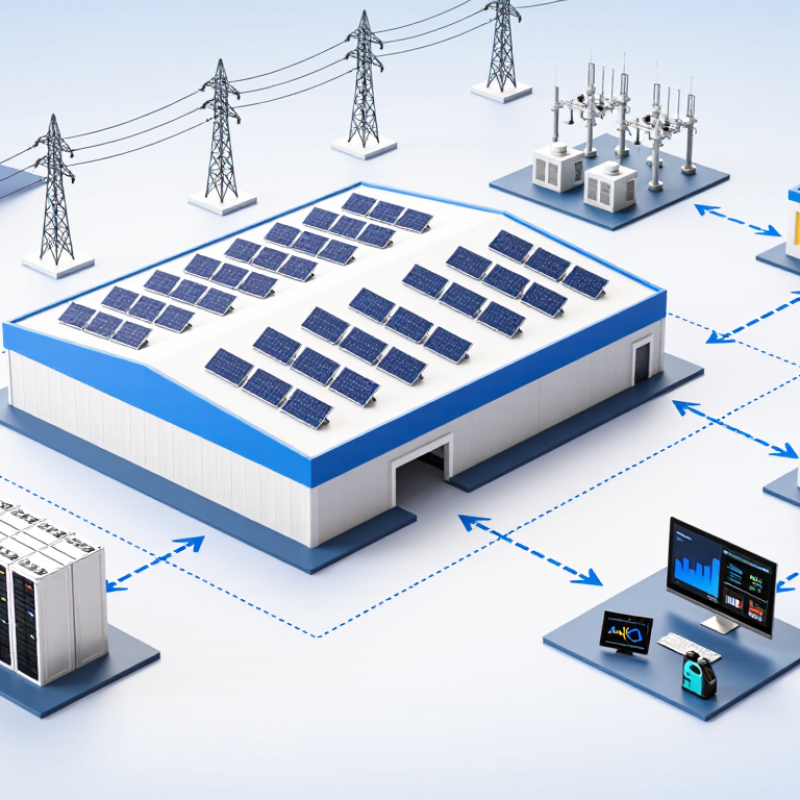
Define Microgrid Goals, Critical Loads, and Required Resilience
Choosing a microgrid begins with a clear question: what must keep working when the utility supply fails? List essential services, such as refrigeration, medical equipment, communications, pumps, and emergency lighting. Start with the outage.
The U.S. Energy Information Administration reported an average of 5.6 hours of electricity interruptions per customer in 2023, including major events. That national average is useful context, not a local design target. Weather, fuel access, and utility restoration times differ by site.
Map critical loads by location, operating hours, and starting demand. A pump may draw far more power at startup than during steady operation. Separate must-run equipment from loads that can pause, then estimate how long each must operate independently.
Not every load matters equally. Set resilience goals in practical terms: hours or days of islanded operation, acceptable service interruptions, and recovery priorities. The U.S. Department of Energy’s microgrid guidance emphasizes defining performance requirements early; otherwise, systems can be oversized or fail to protect the loads that matter most.
A facility walk-through can expose overlooked details, like a network closet sharing a circuit with noncritical offices. Some assumptions will be wrong. Record them, test them against operating staff’s experience, and revise the load plan before sizing generation and storage.
Assess Site Conditions, Energy Resources, and Grid Constraints
How to Choose the Best Microgrid Solution in 2026
Assess the site before comparing equipment. Review at least a year of hourly electricity use, including seasonal peaks and planned expansion. Walk the property: note roof shading, available land, drainage, extreme temperatures, and access for maintenance vehicles. Measure before sizing. Solar output can vary with shade and weather, while batteries need suitable space and ventilation. These details affect performance and operating costs.
Tips: Ask the utility about feeder capacity, export limits, interconnection timelines, and outage procedures. Check whether critical loads need to run during an outage, and list them by priority. A clinic’s refrigeration and lighting, for example, may matter more than office comfort systems.
Compare local energy resources with the site’s actual needs. Solar may suit a sunny roof, while a steady heat source could support combined heat and power. Grid constraints can change the design: an export cap may favor on-site use or storage, while a weak feeder can delay approval. Request written utility data where possible. Early estimates are useful, but they are not guarantees; load patterns and permitting assumptions can be wrong. Recheck them with site measurements and qualified engineering review before committing.
How to Choose the Best Microgrid Solution in 2026
Assess site conditions, energy resources, and grid constraints using an hourly load and generation profile.
Planning example, not measured site data: The profile represents a 1 MW-class facility. Evening demand exceeds the example 300 kW grid import limit, highlighting where storage, dispatchable generation, demand response, or a larger interconnection may be needed. Replace these values with site load measurements, resource assessments, and utility interconnection limits before selecting a system.
Compare Microgrid Architectures, Components, and Control Systems
How to Choose the Best Microgrid Solution in 2026
Compare the architecture with the site’s actual loads, not a generic diagram. A grid-connected microgrid can reduce peak demand while keeping utility service available. An islandable design adds the ability to operate during an outage, but requires careful planning for black start and load shedding. AC-coupled systems can simplify integration across existing equipment; DC-coupled designs may suit sites with solar and batteries sharing a DC bus. Neither is best everywhere. A warehouse with refrigeration has different priorities from a remote clinic.
Check the components as a working system. Match generation, battery capacity, inverters, and protection equipment to measured demand and expected growth. Then assess the control system: Can it balance supply and demand, prioritize critical circuits, and switch operating modes safely? Ask for documented control sequences and commissioning tests. A polished simulation is useful, but it cannot capture every site condition. That deserves a second look.
Tips: Request interval load data before sizing equipment. Test outage scenarios with real critical-load lists. Confirm who maintains controls and reviews alarms. Keep a little flexibility; forecasts are rarely perfect. A practical design should make failures visible, not merely promise smooth operation.
Evaluate Costs, Incentives, Regulations, and Supplier Capabilities
Choosing a microgrid in 2026 starts with the site, not a glossy equipment list. Map hourly demand, critical circuits, and planned loads such as refrigeration or vehicle charging. A small clinic may value four hours of backup more than maximum annual savings. That distinction changes battery size, controls, and budget. Start there.
Compare lifecycle costs, not just installation quotes. Include interconnection studies, switchgear, software, maintenance, replacement reserves, and the cost of downtime. Model several operating cases using local tariffs and realistic energy prices. Incentives can improve economics, but eligibility, timing, and documentation vary. Confirm current programs with the relevant agency and qualified advisers before counting them as committed savings. A spreadsheet can still mislead. Even a careful forecast will miss something; revisit assumptions after a site survey.
Regulations and utility rules shape what a system may export, when it can operate, and which permits it needs. Ask suppliers for comparable performance data, commissioning plans, cybersecurity practices, warranty limits, and service response times. Request references for projects with similar loads and climates, then ask operators about outages and maintenance. A confident estimate is not a guarantee. Check who owns system data and who will troubleshoot at 2 a.m.
Select a Solution and Plan Integration, Operation, and Maintenance
A strong microgrid begins with a clear load map, not a technology list.
Record critical loads, starting currents, seasonal peaks, and the hours each building must operate during an outage. Then compare solar, storage, generators, and grid connections against those needs. Lawrence Berkeley National Laboratory estimates that U.S. power interruptions cost customers about $44 billion annually. That figure, reported in its outage-cost research, makes resilience worth measuring in operational terms, not just equipment prices. Still, local outage costs vary, and a national estimate cannot size a site’s system.
Plan integration before equipment arrives. Check switchgear capacity, protection settings, communications protocols, and space for safe maintenance access. Test islanding, resynchronization, and black-start sequences under realistic loads. A controller that works in a simulation may behave differently with an old relay or delayed sensor. That deserves attention. Define who can change operating settings, how alarms reach staff, and what records operators must keep. A practical plan should include commissioning tests, operator training, spare-parts lead times, and annual review of load growth.
Tips: Keep a one-line diagram beside the control room. Assign a named owner to each maintenance task. Schedule battery and generator inspections, then document findings. Do not assume remote monitoring replaces an on-site response plan. Make one tabletop exercise slightly uncomfortable; missed handoffs are easier to fix before an outage.