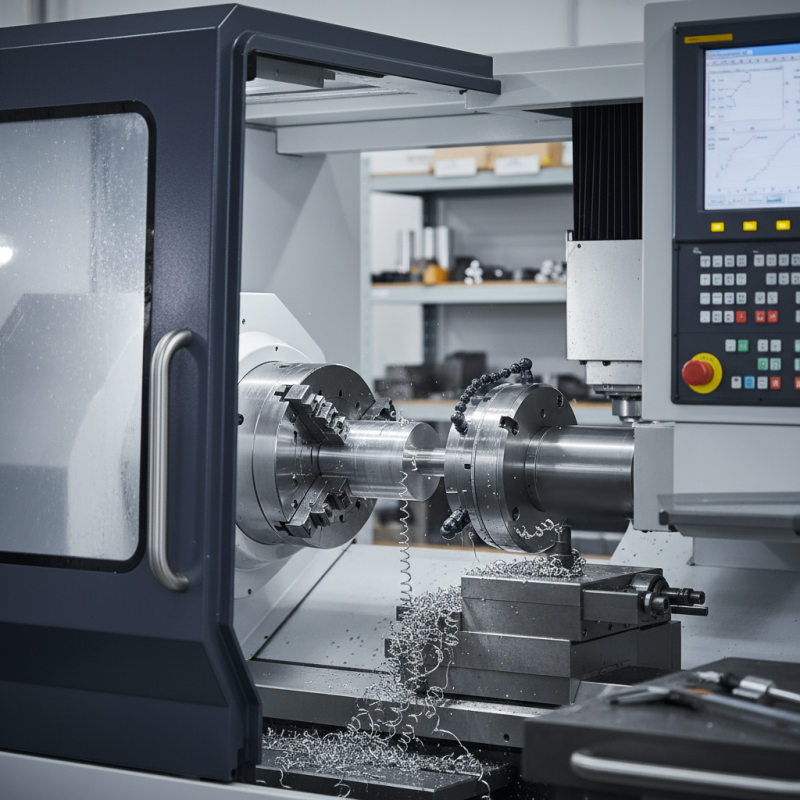
How to Choose the Best CNC Turning Center for Your Project?
Choosing the right CNC Turning Center for your project can be challenging. Many factors affect your decision. A CNC Turning Center is essential for precision machining. It shapes materials with accuracy, ensuring high-quality results.
Consider your project requirements carefully. Different CNC Turning Centers offer various features. Some prioritize speed, while others focus on detail. Understand the materials you'll work with. Each material may require specific settings on the machine. This may lead you to rethink your initial choice more than once.
Reflect on your budget too. High-end machines may provide advanced features but at a cost. You might find that mid-range options suit your needs better. Take time to explore reviews and user experiences. Don't rush into your decision. A well-thought-out choice will pay off in the long run.
Understanding CNC Turning Centers and Their Applications
CNC turning centers are versatile machines. They are crucial in various industries, from aerospace to automotive. According to a 2022 report by MarketsandMarkets, the CNC machine tool market is expected to grow at a CAGR of 7.5%. This growth represents a rising demand for precision and efficiency.
These machines excel in producing cylindrical parts. They can handle materials such as metals and plastics. With the right CNC turning center, manufacturers can achieve tight tolerances, sometimes within 0.01 mm. This precision is vital for components like shafts and fittings. However, not all projects require such high precision. Choosing a machine that may be too advanced for simpler tasks can lead to unnecessary costs.
Understanding the applications is key. CNC turning centers offer different features. Some machines focus on speed, while others prioritize flexibility. Depending on production needs, a one-size-fits-all solution may not suffice. Regular assessments of your project requirements are necessary. This helps in making informed choices about the right CNC turning center.
Key Features to Consider When Selecting a CNC Turning Center
When selecting a CNC turning center, several key features should be prioritized. First, consider the size and capacity of the machine. The maximum diameter and length of the workpiece must align with your project needs. A larger machine may handle bigger parts but might be overkill for smaller projects. Also, think about your workspace. It should accommodate the CNC turning center comfortably.
Next, assess the control system. A user-friendly interface can significantly enhance productivity. Some systems might offer advanced programming features, which can be beneficial for complex designs. However, if the technology is too advanced, it may lead to confusion and errors. Ease of programming should match the skill level of the operators.
Lastly, consider the tooling options available. The ability to use multiple tools can streamline operations. However, too many options may complicate setups and increase downtime for tool changes. Reflect on whether your team has the capability to manage these complexities effectively. Balancing capability and usability is vital in choosing a CNC turning center that meets your project's demands.
Evaluating Precision and Tolerance for Your Specific Needs
When choosing a CNC turning center, precision and tolerance are crucial to your project's success. Every component you create requires specific accuracy. A slight variation can lead to costly mistakes. It's essential to evaluate the tolerances based on your project requirements. Some projects might tolerate a +/- 0.01mm variation, while others may demand tighter controls. Understand your needs.
Consider the materials you'll be using. Different materials require varying levels of precision. Metals often need stricter tolerances compared to plastics. Analyze how each material affects your turning center's performance. This evaluation can highlight the turning center's capabilities and limitations.
Tip: Always consult with a machinist to discuss the precision needed for your parts. Their expertise can guide your decision. Remember to double-check your project's specifications. Misinterpretation of tolerances can lead to greater issues later.
Having a clear understanding of your specific needs will help narrow down your options. Do not compromise on precision. The right CNC turning center should align with your project's demands. Small oversights now may result in bigger problems down the line. Embrace the complexity and refine your choices carefully.
Precision and Tolerance Evaluation for CNC Turning Centers
Assessing Budget and Cost-effectiveness in CNC Turning Centers
When selecting a CNC turning center, budget considerations are crucial. A well-defined budget helps narrow down choices. It's essential to balance cost with the desired features. Investing too little may lead to performance issues, while overspending can strain finances.
Tips: Always begin with a list of must-have features. Prioritize them based on your project’s requirements. This clarity will guide your purchasing decisions.
Also, consider long-term costs. Maintenance, tooling, and energy consumption can add up. Cheaper machines might not offer the same durability as higher-quality models. Think about these ongoing expenses when planning your budget.
Evaluate the available options carefully. Some machines may be cost-effective upfront but require more repairs later. It's smart to read reviews and seek advice from industry peers. Take your time; rushing to buy may lead to regrets.
How to Choose the Best CNC Turning Center for Your Project?
| Dimension | Value | Comments |
| Price | $50,000 - $200,000 | Depends on features and specifications |
| Spindle Speed | 1,000 - 5,000 RPM | Higher speeds allow for faster machining |
| Maximum Diameter | 6" - 20" | Choose based on part size requirements |
| Travel Length | 15" - 40" | Longer travel for larger components |
| Power Consumption | 10 - 30 kW | Consider operational costs |
| Tool Capacity | 12 - 60 Tools | More tools enable complex operations |
| Control System | CNC, G-code compatible | Ensure ease of programming |
| Maintenance Costs | $1,000 - $5,000/year | Plan for the long-term ownership |
Comparing Brands and Technologies in the CNC Market
In the CNC market, selecting the right turning center is crucial. Various brands offer unique technologies. Each has its advantages and limitations. Understanding these differences is key to making an informed choice. Some machines excel in precision. Others may prioritize speed. This variation can significantly affect production outcomes.
When evaluating options, consider the type of materials you work with. Harder materials often require machines with robust features. On the other hand, softer materials could benefit from simpler designs. Analyze your project needs closely. Pay attention to factors like reliability and ease of maintenance. These aspects can impact long-term operational efficiency.
Another element to reflect on is cost versus capability. It’s tempting to choose a budget-friendly option. However, cheaper models may lack essential features. Assess your production volume and required precision. Sometimes, investing more upfront leads to better performance and fewer issues later. Balancing these considerations can feel overwhelming but is vital for project success.