
China Top U240B Suspension Glass Insulator Supplier?

Choosing a reliable China-based supplier for U240B suspension glass insulators takes more than comparing prices. Buyers need to match the product to their line design, operating conditions, and applicable technical specifications. The U240b Suspension Glass Isolator is commonly considered for overhead transmission applications, but its suitability depends on verified requirements, not its name alone.

Check the details. Review the drawing, dimensions, coupling type, specified mechanical strength, and creepage distance. Ask how the glass components, metal fittings, and protective coating are inspected. Request relevant type-test and routine-test records, along with batch traceability. These documents help buyers assess consistency; they do not replace independent engineering review where required. Ask for clear photographs or a sample, too. Small details matter.

A supplier’s response can reveal a lot. Can its technical team explain tolerances and provide records that match the offered model? Does it describe packaging that protects the units during transport? Confirm production capacity, lead times, export experience, and quality procedures directly. Claims should be supported by evidence.

There is no universal “top” supplier for every project. Pollution, humidity, altitude, and utility requirements can change the selection. A polished catalog is not enough. Compare suppliers using the same specification and request written clarification for any gaps. Even a careful review has limits; final acceptance should follow the buyer’s engineering and inspection process. This guide outlines practical checks for identifying a suitable Chinese supplier without treating marketing claims as proof.
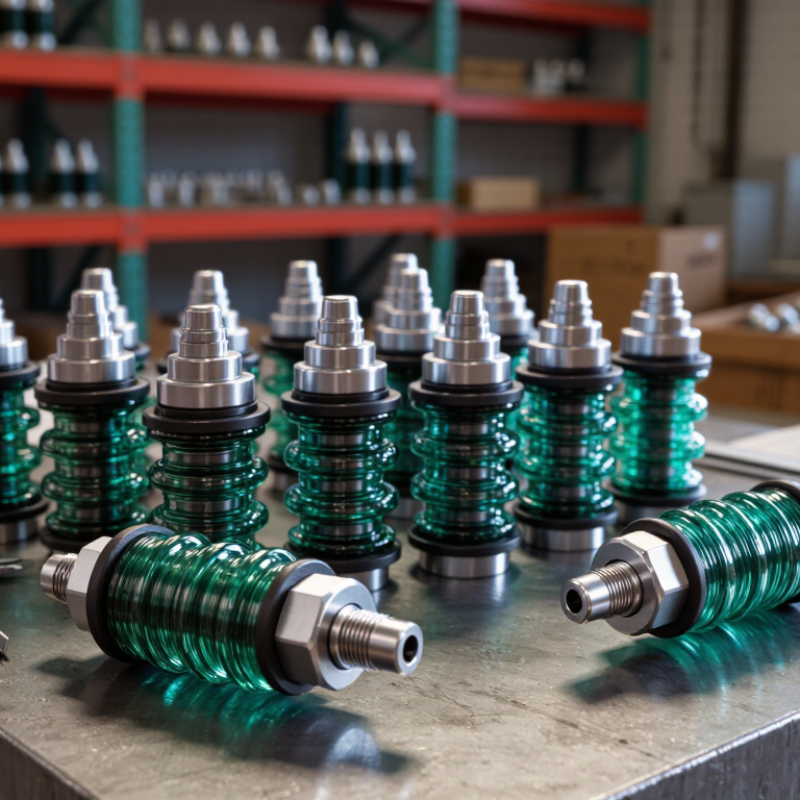
China Top U240B Suspension Glass Insulator Supplier?

What Is a U240B Suspension Glass Insulator?

A U240B suspension glass insulator is a cap-and-pin unit used to support overhead conductors while electrically separating them from transmission structures. In common IEC-style nomenclature, “240” refers to a 240 kN electromechanical failing-load class. The “B” usually identifies a coupling variant, but its precise meaning should be checked against the applicable standard and product drawing. Details matter.

The toughened-glass body is easy to inspect: cracks or punctures are usually visible from the ground, and a damaged unit may shed its glass shell. The metal cap, pin, and connection hardware still need careful checks for corrosion, looseness, and wear. The International Energy Agency’s 2023 report, Electricity Grids and Secure Energy Transitions, says about 80 million kilometres of grid may need to be added or refurbished by 2040. That expansion makes dependable insulation important, but a higher load rating alone cannot confirm a unit’s suitability. String design, pollution, voltage, and site conditions matter too.

Tips: Confirm coupling dimensions and creepage distance against the approved drawing. Inspect fittings as well as glass. A rating can look reassuring; the wrong interface still will not fit.

How Its Design Supports High-Voltage Transmission

A U240B suspension glass insulator helps separate a high-voltage conductor from its supporting tower while carrying mechanical load. Its cap-and-pin construction lets individual units join into a flexible string. That flexibility matters when wind moves a line or temperature changes its tension.

The glass body provides electrical insulation, while the shaped sheds lengthen the surface path that leakage current must follow. This can help maintain performance in rain or light contamination, though severe pollution still requires careful design and maintenance. Small details count. Metal fittings transfer conductor loads through the string, so correct assembly and hardware compatibility are essential. Tempered glass can also make damage easier to spot: a failed unit often shows visible breakage. That helps inspection, but it does not replace electrical testing or routine checks.

No single insulator suits every route. Engineers consider system voltage, string length, altitude, pollution, and expected mechanical loads before selecting a configuration. The glass looks simple. Field conditions are not. Even a well-designed U240B string depends on sound installation and ongoing inspection to support reliable transmission.

Which Technical Specifications Define U240B Performance?

For a U240B suspension glass insulator, the key mechanical figure is a nominal electromechanical failing load of 240 kN. That is not a working-load target. Confirm the rating and applicable standard on the product drawing and test certificate. Electrical performance also depends on creepage distance, dry arcing distance, and specified power-frequency and lightning-impulse withstand levels. These values vary with the design and service environment.

Check the ball-and-socket coupling dimensions, overall spacing, and hardware finish against the string assembly. A mismatch can complicate installation even when the load rating appears correct. For glass units, inspect the shell for chips or cracks, and review routine test records for traceability. One easy detail to overlook is pollution severity: the required creepage distance should suit local contamination and moisture conditions, not just a catalog entry. Datasheets can look complete while leaving this point unclear.

Tips: Compare drawings, not names alone. Ask for certified test values, coupling measurements, and creepage distance. Examine the glass in good light. A small chip deserves a second look.

How to Evaluate a U240B Insulator Supplier in China

China Top U240B Suspension Glass Insulator Supplier?

How to Evaluate a U240B Insulator Supplier in China

A reliable U240B supplier should prove performance, not just quote a low price. The U240B designation is associated with a 240 kN mechanical failing load, but confirm the exact rating and dimensions against the project specification. IEC 60305 provides standard characteristics for cap-and-pin insulators. Ask for type-test reports, routine inspection records, and the test laboratory’s details. Check that the report matches the offered design, not merely a similar product. Small differences matter.

Review manufacturing controls, too. Request traceable batch records for glass, metal caps, cement, and final assembly. Ask how the factory checks for visible glass defects and verifies metal fitting dimensions. CIGRE Technical Brochure 481 discusses selecting insulators for polluted conditions, including the importance of pollution severity and creepage distance. A supplier should explain how its proposed profile fits the site environment, rather than relying on a generic catalogue value. Paperwork helps, but it cannot reveal every batch variation.

Tips: Ask for a recent inspection report from the same production line. Compare the rated load, dimensions, and test date with your purchase specification. If possible, inspect sample units and review packaging for chipped glass, loose fittings, or moisture exposure. A factory visit is useful, though one visit is not proof of consistent quality.

What Quality and Delivery Factors Distinguish Top Suppliers?

For a U240B suspension glass insulator, quality depends on repeatable production, not just a catalog claim. Request drawings, material specifications, and inspection records linked to the production batch. Confirm rated mechanical failing load, dimensions, and hardware fit against the agreed specification. Check glass surfaces for chips or visible inclusions, and examine fittings for consistent assembly. Test records should state methods and acceptance criteria. A polished brochure is not proof. Ask how the supplier identifies and handles nonconforming units.

Delivery reliability is part of quality. Request a realistic production schedule, capacity details, and milestone updates before placing an order. Confirm each batch can be traced through its markings and documents. Packaging should prevent glass-to-glass contact and protect metal fittings from impact and moisture. Check that shipping documents, packing lists, and inspection reports match the actual quantity and specification. Delays happen; clear, early communication matters more than an optimistic promise. No checklist catches everything.

Tips: Request a sample packing photo and a sample inspection report before production. Compare the report with your purchase requirements, not a generic template. Keep agreed tolerances and delivery dates in writing. A small mismatch can slow installation.

China Top U240B Suspension Glass Insulator Supplier? - What Quality and Delivery Factors Distinguish Top Suppliers?
Evaluation Dimension What to Check for a U240B Unit Useful Evidence or Acceptance Check
Rated electromechanical strength Confirm that the offered unit is specified as U240B and that its declared rating and design match the purchase specification. The “240” designation is associated with a nominal 240 kN electromechanical failing load for this class of cap-and-pin insulator. Check the approved datasheet, drawings, marking, and applicable type-test documentation; ensure the contract states the required test basis and acceptance criteria.
Standards and test scope Verify that the product and tests are aligned with the standards and editions specified by the buyer. IEC 60305 covers characteristics of cap-and-pin insulator units, while IEC 60383-1 addresses ceramic or glass insulators for overhead lines above 1 kV. Request test reports that identify the tested design, sample, standard edition, test results, and issuing laboratory. Confirm any project-specific or national requirements separately.
Glass body and surface condition Inspect for cracks, chips, unacceptable inclusions, and other surface or manufacturing defects that could affect performance or safe handling. Review the supplier’s documented visual-inspection criteria and lot inspection records; define the permitted defect limits in the purchase specification.
Metal fittings and cementing Check cap-and-pin materials, dimensions, corrosion protection, cementing quality, and the fit between fittings and the glass shell. Compare approved drawings and material specifications with inspection records. Verify coupling dimensions and interface requirements against the applicable project specification.
Electrical and mechanical performance Confirm that required electrical and mechanical tests correspond to the intended service conditions and the exact offered design. Review applicable type, sample, and routine test documentation. Do not treat a report for a different design or rating as proof of compliance without documented technical justification.
Batch traceability and inspection Check whether production lots can be linked to inspection results, test records, and shipment documents. Agree on lot identification, inspection hold points, record retention, and any third-party inspection requirements before production begins.
Production capacity and schedule Assess whether the proposed production plan can meet the order quantity and required shipment dates. Lead time varies with order size, production loading, testing, and logistics. Request a dated production and inspection schedule with milestones for material preparation, manufacturing, testing, packing, and dispatch; avoid relying on an unspecified standard lead time.
Packaging and transport protection Check that packaging protects glass shells and metal fittings from impact, abrasion, moisture, and movement during handling and transit. Approve the packing method and marking requirements; specify quantity per package, handling instructions, and export-document requirements in the order.
Delivery reliability and communication Evaluate schedule updates, escalation procedures, document readiness, and the supplier’s ability to communicate changes before they affect dispatch. Use agreed milestone reporting and require prompt written notice of production or logistics risks, together with a corrective-action plan.
Commercial and technical documentation Confirm that the quotation, approved drawings, technical data, inspection plan, packing list, and shipment documents use consistent product descriptions and requirements. Maintain a document register and resolve deviations in writing before order release; link final inspection and shipping records to the relevant order and production lot.